

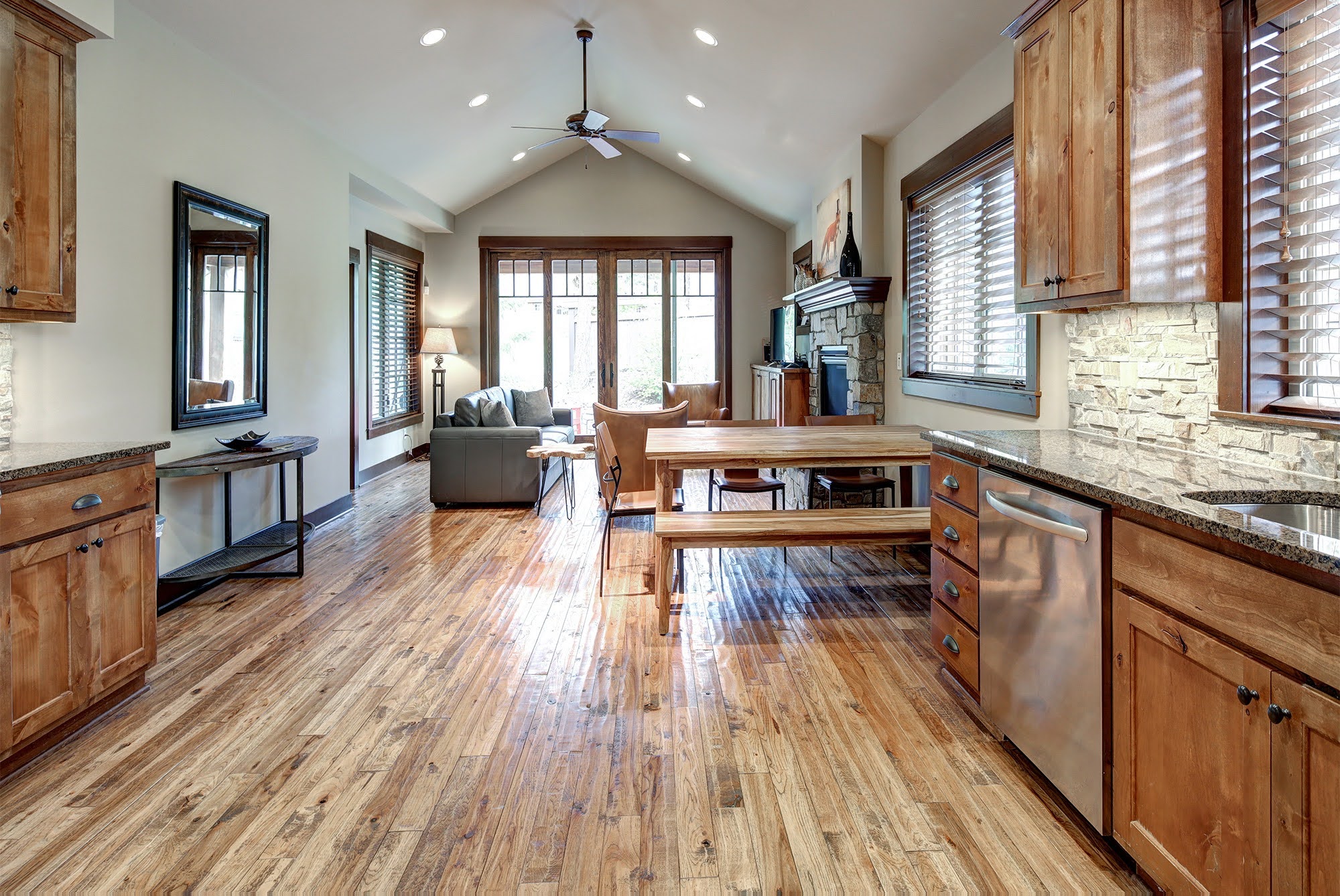
Hardwood floors are one of the most valuable features in a New England home, but even the most beautiful floors eventually show signs of wear. Scratches, fading, dull finishes, and everyday traffic can diminish their appearance over time. When refinishing becomes necessary, many homeowners are now asking about dustless hardwood floor sanding and whether it truly delivers a better experience.
At C&R Flooring, homeowners throughout Westwood, Boston, Worcester, and Eastern Massachusetts often want to restore their hardwood floors without dealing with the extensive cleanup traditionally associated with sanding projects. Dustless sanding has become an increasingly popular solution because it helps reduce airborne dust while maintaining the high-quality results homeowners expect from professional refinishing.
To learn more about our company and flooring expertise, visit the C&R Flooring home page.
What Is Dustless Hardwood Floor Sanding?
Dustless hardwood floor sanding uses specialized equipment designed to capture dust at the source during the sanding process. Rather than allowing sanding particles to circulate throughout the home, high-powered vacuum systems collect much of the dust before it becomes airborne.
While no sanding process is completely dust-free, dustless systems significantly reduce the amount of dust generated compared to traditional sanding methods.
This creates a cleaner work environment and helps minimize disruption throughout the project.
Why Hardwood Floors Need Sanding
Over time, hardwood floors naturally experience wear from daily living.
Common reasons homeowners choose sanding and refinishing include:
Surface scratches and scuffs
Dull or worn finishes
Discoloration from sunlight exposure
Water marks and staining
General aging and wear patterns
Professional sanding removes the damaged surface layer, allowing a new finish to be applied and restoring the floor's appearance.
Homeowners interested in hardwood solutions can explore available options by browsing hardwood flooring collections.
The Problem With Traditional Sanding Dust
Traditional floor sanding can generate a significant amount of fine dust. This dust often settles throughout the home, including areas far beyond the installation space.
Common concerns include:
Dust settling on furniture
Additional cleaning requirements
Airborne particles circulating through HVAC systems
Longer post-project cleanup
For homeowners living in the property during the refinishing process, these factors can create unnecessary inconvenience.
Benefits of Dustless Hardwood Floor Sanding
Dustless sanding has gained popularity because it addresses many of the concerns associated with traditional floor refinishing.
Cleaner Indoor Environment
One of the most obvious advantages is reduced airborne dust.
This helps:
Keep surrounding spaces cleaner
Reduce cleanup after sanding
Minimize dust accumulation on surfaces
For occupied homes, this can make a significant difference in overall comfort during the project.
Better Protection for Home Furnishings
Reducing dust helps protect:
Furniture
Electronics
Decorative items
Ventilation systems
Although project areas still require preparation and protection, dustless sanding helps contain much of the mess associated with refinishing.
Improved Project Experience
Many homeowners choose dustless sanding simply because it creates a more pleasant renovation experience.
Benefits often include:
Less disruption
Easier cleanup
A cleaner work environment
Improved comfort during construction
Is Dustless Sanding Better for Older Boston Homes?
Greater Boston and Eastern Massachusetts are known for their historic homes, many of which contain original hardwood flooring.
Older homes often feature:
Intricate millwork
Built-in cabinetry
Historic architectural details
Multiple generations of hardwood flooring
In these environments, reducing airborne dust can help protect surrounding finishes and decorative elements during a refinishing project.
For homeowners seeking to preserve the character of an older property, dustless sanding often provides additional peace of mind.
Does Dustless Sanding Affect the Quality of the Finish?
A common misconception is that dustless sanding sacrifices refinishing quality.
In reality, the goal remains the same:
Remove damaged finishes
Smooth the wood surface
Prepare floors for stain and finish application
When performed by experienced professionals, dustless sanding can achieve the same high-quality refinishing results homeowners expect while providing a cleaner overall process.
When Is Refinishing a Better Option Than Replacement?
Many homeowners are surprised to learn that existing hardwood floors can often be refinished rather than replaced.
Refinishing may be appropriate when:
Surface damage is primarily cosmetic
Hardwood remains structurally sound
Wear is concentrated in high-traffic areas
The homeowner wants to preserve original flooring
Professional evaluation helps determine whether sanding and refinishing can restore the floor effectively.
Homeowners can learn more about available refinishing and restoration solutions through professional flooring services.
What Homeowners Should Do Before a Sanding Project
Preparation helps ensure a smooth refinishing experience.
Before sanding begins, homeowners should:
Remove furniture and personal belongings
Secure artwork and fragile items
Discuss access plans with the flooring team
Coordinate around pets and household schedules
Proper planning allows installers and refinishing specialists to work efficiently while protecting the home.
Dustless Sanding and New England Climate Conditions
Climate plays an important role in hardwood floor performance throughout Massachusetts.
Seasonal humidity changes can affect:
Wood movement
Gap formation
Floor stability
Finish performance
Because refinishing projects are often combined with floor evaluations, dustless sanding provides an excellent opportunity for professionals to assess overall floor condition and identify any environmental concerns that may require attention.
Is Dustless Hardwood Floor Sanding Worth the Investment?
For many homeowners, the answer is yes.
Dustless sanding is often worth considering because it provides:
A cleaner refinishing experience
Reduced dust throughout the home
Less post-project cleanup
Improved protection for furnishings and finishes
High-quality floor restoration results
While every project is different, many Boston-area homeowners find the convenience and cleanliness of dustless sanding highly valuable.
Long-Term Benefits of Professional Refinishing
Refinishing is about more than restoring appearance. Done correctly, it can extend the life of hardwood flooring for years.
Potential benefits include:
Renewed beauty and character
Improved protection from future wear
Increased enjoyment of the home
Preservation of original hardwood floors
Enhanced long-term property value
When paired with proper maintenance, refinishing helps maximize the lifespan of hardwood flooring.
Expert Guidance Helps You Make the Right Decision
Every hardwood floor has a different history, condition, and set of challenges. The best refinishing approach depends on the type of flooring, the amount of wear, and the goals of the homeowner.
At C&R Flooring, every hardwood refinishing project begins with a detailed assessment to determine the most effective solution. Whether you're restoring original hardwood floors in a historic Boston home or refreshing flooring in a modern residence, professional guidance helps ensure exceptional results.
If you're considering refinishing your hardwood floors, visit the Westwood showroom, schedule an in-home consultation through Shop At Home, or request a free estimate to discuss your project with a flooring specialist.


