

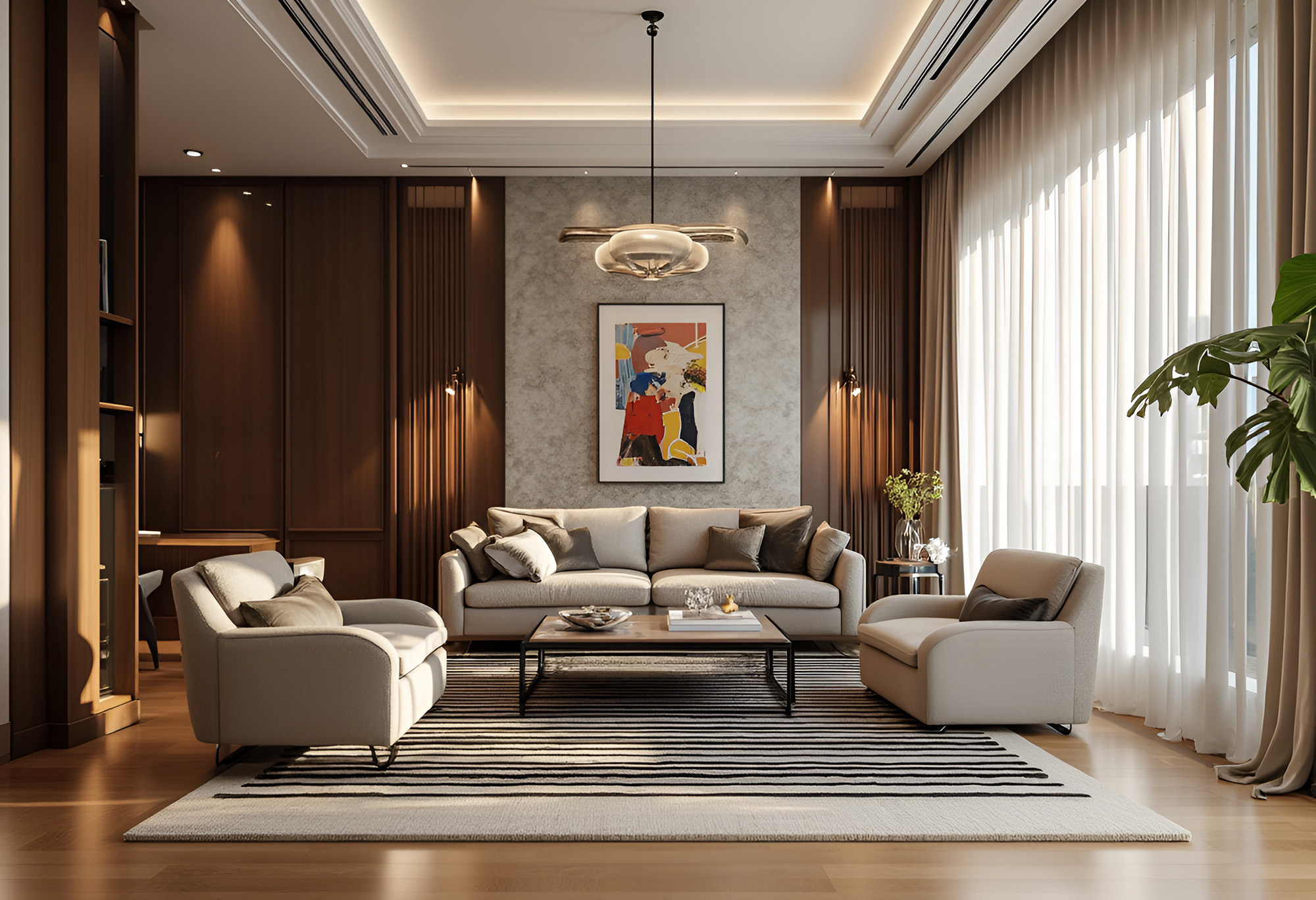
For homeowners in Westwood and across Eastern Massachusetts, choosing the right hardwood flooring isn’t just about aesthetics—it’s about long-term performance in a challenging climate. At C&R Flooring, with over 35 years of experience serving communities from Boston to Worcester, Cape Cod, and beyond, one question comes up frequently: Should I choose engineered hardwood or solid hardwood?
Engineered hardwood flooring has become an increasingly popular option for New England homes, particularly where moisture, subfloor conditions, and seasonal changes play a major role. Understanding when and why it’s the better choice can help you make a confident, long-term investment.
What Is Engineered Hardwood Flooring?
Engineered hardwood is made from multiple layers of wood, with a real hardwood veneer on top and a stable core beneath. Unlike solid hardwood, which is a single piece of wood throughout, engineered planks are designed to resist expansion and contraction.
This layered construction makes engineered hardwood especially well-suited for the environmental conditions found throughout Massachusetts and the broader New England region.
Why Climate Matters in Westwood, MA
New England’s climate creates unique challenges for hardwood flooring:
Cold, dry winters cause wood to contract
Humid summers cause wood to expand
Seasonal fluctuations can lead to gaps, cupping, or movement
In older homes throughout Westwood, Boston, and surrounding towns, these shifts are even more pronounced due to less consistent insulation and humidity control.
How Engineered Hardwood Performs Better
Engineered hardwood is designed to minimize these seasonal effects:
The cross-layered core increases dimensional stability
Less expansion and contraction compared to solid hardwood
Reduced risk of warping or cupping
For homeowners concerned about long-term stability, especially in homes without perfectly controlled indoor climates, engineered hardwood often provides a more reliable solution.
Subfloor Considerations in Eastern Massachusetts Homes
One of the most important factors in choosing between engineered and solid hardwood is the type of subfloor in your home.
Common Subfloor Types in the Region
Plywood or wood subfloors (common in traditional homes)
Concrete slabs (found in basements, additions, and newer construction)
Radiant heating systems (increasingly popular in renovations)
Where Engineered Hardwood Has the Advantage
Engineered hardwood can be installed in areas where solid hardwood is not recommended:
Directly over concrete subfloors
Over radiant heat systems
In below-grade spaces like finished basements
Solid hardwood, by contrast, is typically limited to above-grade installations over wood subfloors.
This flexibility makes engineered hardwood an excellent option for modern renovations and expansions across Westwood and surrounding areas.
When Engineered Hardwood Is the Better Choice
While both materials offer long-term value, engineered hardwood stands out in specific situations common throughout Eastern Massachusetts.
Ideal Scenarios for Engineered Hardwood
1. Homes with Moisture Variability
Properties near the coast—such as Cape Cod, Newport, or the Rhode Island shoreline—experience higher humidity levels. Engineered hardwood handles these fluctuations more effectively.
2. Finished Basements or Lower Levels
Below-grade spaces are more prone to moisture. Engineered hardwood provides the look of real wood with better stability in these environments.
3. Open-Concept Renovations
Large, open spaces benefit from the structural stability of engineered planks, especially in wide formats.
4. Radiant Heat Systems
Engineered hardwood is more compatible with radiant heating, reducing the risk of movement or damage.
5. Wide Plank Designs
Wider boards naturally expand and contract more. Engineered construction helps maintain their integrity over time.
When Solid Hardwood May Still Be Preferred
Engineered hardwood is not always the default choice. Solid hardwood remains a premium option in certain situations:
Homes with stable humidity control year-round
Traditional installations with narrow plank designs
Projects prioritizing multiple refinishing cycles over decades
That said, modern engineered hardwood products often feature thick wear layers that can be refinished, offering a balance between durability and flexibility.
Design and Aesthetic Considerations
From a visual standpoint, engineered hardwood offers the same high-end appearance as solid hardwood.
Homeowners in Westwood and across New England can choose from:
Wide plank European oak
Matte and wire-brushed finishes
Light, natural tones or deeper custom stains
Contemporary and traditional styles
Because the top layer is real hardwood, the finished look is virtually indistinguishable from solid wood once installed.
Installation Advantages
Engineered hardwood also offers advantages during installation, which can impact both timeline and performance:
Can be glued, nailed, or floated, depending on the application
Often requires less invasive installation methods
Faster installation in certain environments
Greater adaptability across mixed subfloor conditions
Professional installation is critical, especially in New England, where proper acclimation and moisture testing directly affect long-term results.
Long-Term Value for New England Homes
For many homeowners, the decision ultimately comes down to balancing performance, aesthetics, and longevity.
Engineered hardwood delivers:
Strong resistance to climate-related movement
Versatility across different areas of the home
A high-end, authentic hardwood appearance
Reliable performance in challenging conditions
In regions like Westwood, Boston, Worcester, and coastal communities, these benefits often make engineered hardwood the more practical and dependable choice.
Expert Guidance Makes the Difference
Choosing the right flooring isn’t just about the product—it’s about understanding how that product will perform in your specific home.
At C&R Flooring, every project begins with a detailed evaluation of:
Subfloor conditions
Moisture levels
Home layout and usage
Design preferences and long-term goals
This approach ensures that whether you choose engineered hardwood or solid hardwood, the result is built to last.
Schedule a Consultation or Visit Our Westwood Showroom
If you're considering engineered hardwood flooring in Westwood, MA or anywhere across Eastern Massachusetts, expert guidance can make all the difference.
Visit the C&R Flooring showroom at 376 University Ave in Westwood to explore premium hardwood options in person, or schedule a consultation to discuss your project with a specialist.


