

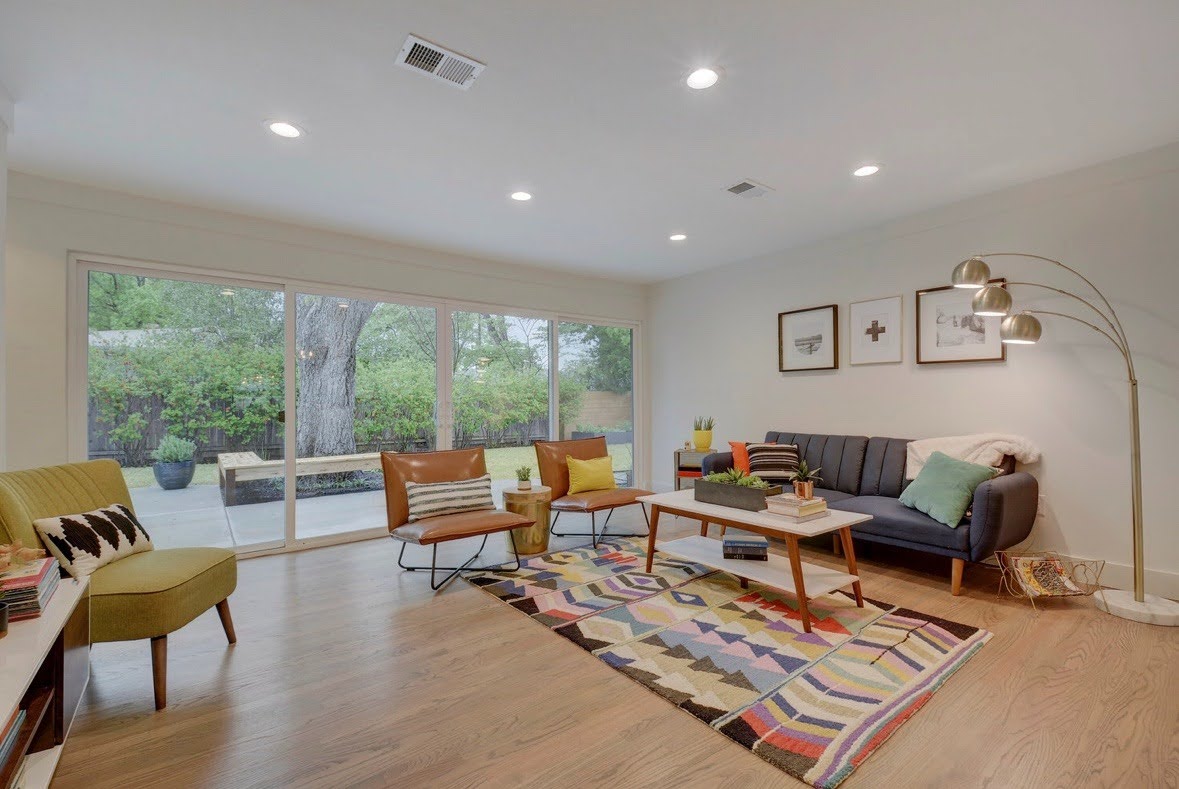
Coastal homes in New England present a unique set of challenges when it comes to flooring. From elevated humidity levels to seasonal moisture swings, choosing the right material is essential for long‑term performance. At C&R Flooring, homeowners from Cape Cod to Newport and along the Rhode Island coastline often ask whether engineered hardwood is the right solution for these environments.
Engineered hardwood has become one of the most reliable flooring options for coastal properties when properly selected and installed. Its design balances the natural beauty of hardwood with improved stability in moisture‑prone conditions. You can learn more about our approach to premium flooring solutions by visiting the C&R Flooring home page.
Why Coastal New England Homes Require a Different Approach
Homes near the ocean face environmental factors that directly impact flooring performance. These include:
Higher indoor humidity levels throughout the year
Salt air exposure and moisture infiltration
Seasonal changes in temperature and humidity
Variable use in second homes or seasonal properties
Traditional solid hardwood can struggle in these conditions due to its tendency to expand and contract. Coastal environments demand a flooring solution that can maintain stability over time.
What Makes Engineered Hardwood Different
Engineered hardwood is constructed using multiple layers, with a real hardwood veneer on top and a stable core beneath. This layered design enhances durability and reduces the impact of environmental changes.
As outlined in C&R Flooring _ March.pdf, engineered hardwood is specifically designed to resist expansion and contraction, making it better suited for climates with fluctuating humidity like New England.
This construction allows homeowners to achieve the authentic look of hardwood while improving long‑term performance.
Moisture Resistance and Stability in Coastal Homes
One of the primary reasons engineered hardwood is recommended for coastal properties is its ability to handle moisture more effectively than solid wood.
Key advantages include:
Improved dimensional stability under changing humidity
Reduced risk of warping or cupping
Better performance in homes with inconsistent climate control
In areas such as Cape Cod and Newport, where humidity levels can remain elevated for extended periods, this added stability provides significant long‑term value.
Where Engineered Hardwood Performs Best
Engineered hardwood is especially effective in areas of the home where moisture variability is more likely.
Ideal applications include:
Main living areas in coastal homes
Open‑concept spaces with large airflow exposure
Rooms above or adjacent to basements
Homes with seasonal occupancy patterns
It can also be installed in conditions where solid hardwood is not recommended, offering greater flexibility across different layouts and structures.
Comparing Engineered vs Solid Hardwood in Coastal Conditions
Understanding the differences between engineered and solid hardwood helps clarify why engineered products are often preferred in coastal environments.
Engineered hardwood offers:
Greater resistance to seasonal movement
Compatibility with more subfloor types
Flexibility in installation methods
Solid hardwood offers:
Traditional construction and long-term refinishing potential
Strong appeal in controlled environments
However, in coastal New England homes where humidity is less predictable, engineered hardwood typically provides a more reliable outcome.
Subfloor Compatibility and Installation Flexibility
Coastal homes often feature a mix of subfloor types, especially in renovations and additions. Engineered hardwood adapts well to these variations.
It can be installed:
Over concrete slabs
In below-grade or near-grade environments
Using floating, glue‑down, or nail‑down methods
This versatility makes it particularly valuable in coastal properties where construction conditions vary.
Professional installation ensures each method is applied correctly based on the home’s structure and environmental exposure.
Design Options for Coastal Aesthetics
Engineered hardwood offers a wide range of design possibilities that align with coastal New England interiors.
Popular styles include:
Light, natural oak tones that reflect coastal light
Matte finishes that reduce glare and highlight texture
Wider planks that enhance open, airy spaces
Because the top layer is real wood, engineered hardwood delivers the same high‑end appearance as solid hardwood while maintaining better performance in coastal conditions.
Climate Management Still Matters
While engineered hardwood is more stable than solid wood, it is not immune to environmental impact. Proper climate management remains essential.
Best practices include:
Maintaining consistent indoor humidity levels
Using HVAC systems to stabilize seasonal changes
Avoiding prolonged exposure to standing moisture
Taking these steps helps preserve the integrity and appearance of the flooring over time.
Long-Term Value in Coastal Homes
For homeowners in coastal New England, engineered hardwood offers a strong balance between durability and design. Its ability to handle humidity while maintaining a premium appearance makes it a practical long‑term investment.
Benefits include:
Reduced risk of moisture-related damage
Greater installation flexibility
Timeless aesthetic with real wood finishes
Reliable performance in challenging environments
In many coastal homes, engineered hardwood provides the best combination of beauty and resilience.
When Engineered Hardwood May Not Be Ideal
Although engineered hardwood performs well in most coastal applications, there are still scenarios where additional consideration is needed.
Alternative solutions may be recommended in:
Areas with persistent water exposure
Spaces directly exposed to the outdoors
Environments with unresolved moisture issues
A professional evaluation ensures the selected material aligns with the specific conditions of the home.
Expert Guidance Makes the Difference
Selecting flooring for a coastal New England home requires a deeper understanding of both materials and environmental conditions. Engineered hardwood offers significant advantages, but its success depends on proper product selection and installation.
At C&R Flooring, every project begins with a detailed assessment of the home, including moisture levels, subfloor conditions, and design goals. This approach ensures that engineered hardwood not only looks exceptional but performs reliably for years to come.
If you are planning a flooring project in Cape Cod, Newport, or anywhere along the New England coast, expert guidance can help you choose a solution tailored to your home’s unique conditions.


