

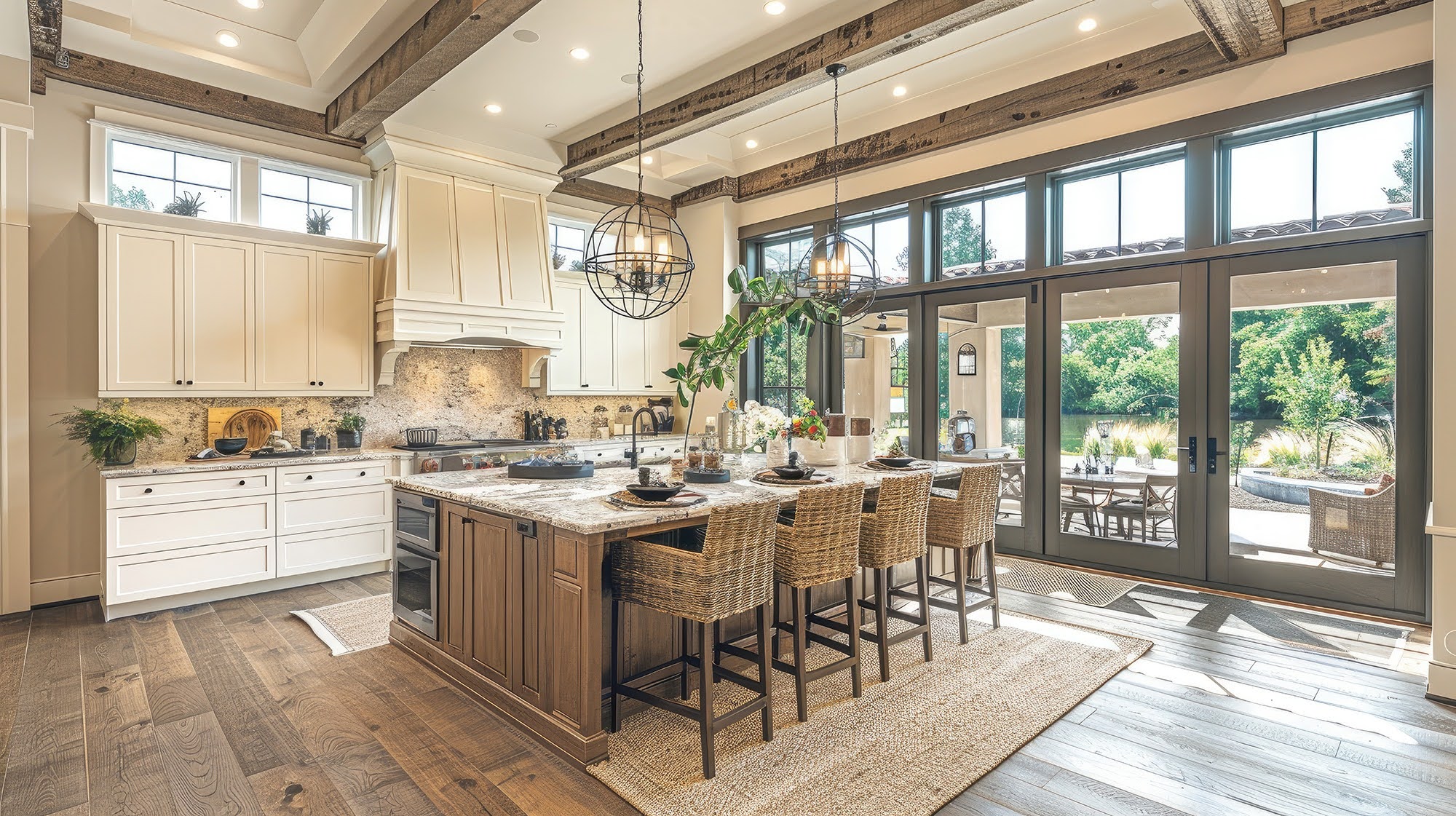
Hardwood floors are a long‑term investment, but in New England, their performance depends heavily on proper preparation before installation. At C&R Flooring, homeowners throughout Westwood, Eastern Massachusetts, and the greater New England region often ask why acclimation matters and how it prevents common problems like gaps, cupping, and seasonal movement. Understanding acclimation is one of the most important steps in ensuring hardwood floors look and perform beautifully for decades.
As a trusted regional flooring expert, C&R Flooring focuses on craftsmanship, climate awareness, and long‑term results. Learn more about our approach to hardwood flooring by visiting the C&R Flooring home page.
What Is Hardwood Acclimation?
Hardwood acclimation is the process of allowing wood flooring to adjust to the temperature and humidity conditions of a home before installation. Because wood is a natural material, it absorbs and releases moisture based on its environment. If hardwood is installed before it stabilizes, it may expand or contract after installation, leading to visible and structural issues.
In New England, where seasonal changes are significant, acclimation is not optional. It is a critical step that protects both the appearance and longevity of hardwood floors.
Why Acclimation Is Especially Important in New England
Homes across Eastern Massachusetts experience dramatic shifts throughout the year. Winters are cold and dry, while summers are warm and humid. These fluctuations directly affect wood movement.
Without proper acclimation, hardwood flooring may:
Shrink during dry winter months, creating visible gaps
Expand during humid summers, causing cupping or edge lift
Shift over time, leading to squeaks or uneven boards
Acclimation helps the wood reach equilibrium with the home’s normal living conditions, reducing the impact of these seasonal changes.
Common Problems Caused by Poor Acclimation
Improper acclimation is one of the most common causes of avoidable hardwood floor issues. Understanding these problems helps homeowners recognize why professional preparation matters.
Gaps Between Floorboards
Gaps often appear in winter when indoor air becomes drier. If hardwood was installed with too much moisture content, it will shrink as it dries, leaving spaces between boards. While some seasonal movement is normal, excessive gaps often point to inadequate acclimation.
Cupping and Crowning
Cupping occurs when the edges of boards rise higher than the center, while crowning happens when the center rises above the edges. Both issues are signs of moisture imbalance. Improper acclimation can trap excess moisture in the wood, making it more susceptible to these conditions as humidity changes.
Seasonal Movement and Noise
Floors that were not properly acclimated may expand and contract unevenly. This can cause boards to rub against each other or the subfloor, resulting in creaking, popping, or visible movement over time.
How Proper Acclimation Is Done
Acclimation is more than simply bringing flooring into the house and waiting a few days. A professional approach considers multiple factors specific to each home.
Proper acclimation typically includes:
Delivering hardwood flooring to the installation space in advance
Maintaining consistent indoor temperature and humidity
Measuring moisture levels in the wood and subfloor
Allowing sufficient time for the flooring to stabilize
The length of acclimation depends on the type of hardwood, the home’s environment, and current weather conditions. Rushing this step increases the risk of long‑term issues.
The Role of Indoor Climate Control
Hardwood acclimation is closely tied to how a home is lived in. Heating systems, air conditioning, and humidity control all influence how wood behaves.
For best results:
HVAC systems should be operational before acclimation begins
Indoor humidity should reflect normal living conditions
Sudden temperature swings should be avoided
Homes that maintain stable indoor environments tend to experience fewer hardwood movement issues over time.
Subfloor Moisture and Its Impact
Acclimation does not apply only to the hardwood itself. Subfloor conditions play a major role in how floors perform. Moisture coming from below can affect hardwood even after installation.
Professional evaluations assess:
Moisture levels in the subfloor
Structural integrity and flatness
Compatibility with the selected hardwood product
Addressing subfloor moisture before installation helps prevent future cupping or movement.
Solid vs Engineered Hardwood and Acclimation
Both solid and engineered hardwood require acclimation, but they respond differently to environmental changes. Solid hardwood is more sensitive to humidity swings, making acclimation especially critical. Engineered hardwood offers greater dimensional stability, but it still benefits from proper preparation.
Choosing the right hardwood product for your home and climate is part of ensuring long‑term success. You can explore available options by browsing hardwood flooring selections.
Acclimation and Older New England Homes
Many homes in Greater Boston and MetroWest are older and may lack consistent insulation or modern climate control. These conditions increase the importance of acclimation and moisture testing.
In these homes, professionals often:
Spend additional time monitoring moisture levels
Adjust installation methods to allow for movement
Plan expansion spacing carefully
This tailored approach helps hardwood floors adapt to real‑world conditions.
Long‑Term Benefits of Proper Acclimation
When hardwood flooring is acclimated correctly, homeowners benefit from:
Fewer seasonal gaps and movement issues
Reduced risk of cupping or warping
A more stable, quiet floor
Longer lifespan and better refinishing potential
Proper acclimation protects the investment and preserves the beauty of hardwood floors over time.
Expert Preparation Makes the Difference
Hardwood acclimation is not something to rush or overlook, especially in New England’s challenging climate. Professional planning, moisture testing, and climate awareness are what separate long‑lasting installations from costly repairs.
If you’re planning a hardwood flooring project in Eastern Massachusetts, C&R Flooring provides expert guidance from product selection through installation. You can take the next step byrequesting a free estimate or learning more about our process through theC&R Flooring home page.


