

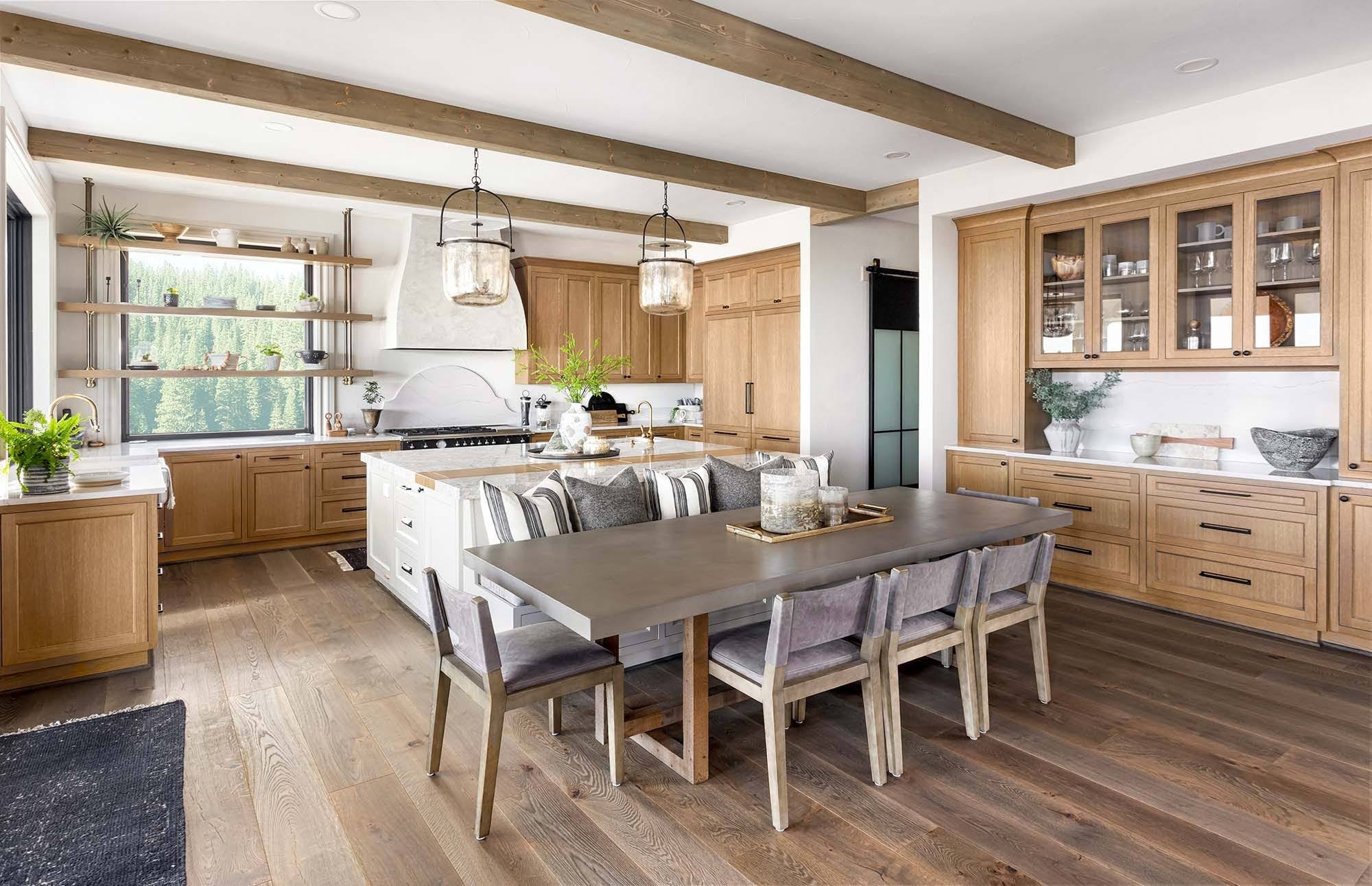
Historic homes across New England tell a story through their craftsmanship, proportions, and materials. From classic Colonials and Victorians to early farmhouses and coastal cottages, flooring plays a central role in preserving that character. At C&R Flooring, homeowners throughout Eastern Massachusetts and the broader New England region often seek guidance on choosing hardwood floors that honor the original architecture while meeting modern performance expectations.
Selecting the right hardwood for a historic home is about balance. The goal is not to modernize at the expense of authenticity, but to enhance the home’s original design with materials that feel intentional and timeless. You can learn more about our approach to craftsmanship and restoration by visiting the C&R Flooring home page.
Understanding the Architecture of Historic New England Homes
Historic New England homes were built with proportion, symmetry, and durability in mind. Flooring choices were typically understated, allowing architectural details such as moldings, staircases, and built‑ins to stand out.
Common characteristics include:
Narrower plank widths compared to modern flooring
Warm, natural wood tones
Matte or low‑sheen finishes
Subtle variation in grain and color
When selecting hardwood today, the goal is to complement these features rather than overpower them.
Choosing the Right Hardwood Species
Wood species has a significant impact on how authentic a floor feels in a historic home. Many original New England floors were made from locally available hardwoods that aged gracefully over time.
Popular species for historic homes include:
Oak, valued for durability and timeless grain patterns
Maple, known for its subtle texture and refined appearance
Pine, often found in early farmhouses and colonial‑era homes
White oak, in particular, has become a preferred choice for restorations because it offers historical credibility while providing improved stability and versatility. Homeowners can explore options by browsing hardwood flooring selections that align with both period style and modern expectations.
Plank Widths That Respect the Era
Plank width plays a critical role in maintaining architectural integrity. Many historic homes originally featured narrower boards, which suited smaller room sizes and traditional layouts.
When restoring or updating a historic space:
Narrow to mid‑width planks often feel more authentic
Extremely wide planks may appear out of place in formal or older interiors
Consistent widths help preserve visual rhythm throughout the home
That said, some homeowners choose slightly wider planks to bridge traditional character with contemporary comfort. Careful selection ensures the result feels intentional rather than trendy.
Finish Choices That Preserve Character
Finish selection can dramatically affect how hardwood floors interact with historic architecture. High‑gloss finishes, while durable, often feel too modern for older homes. Historically appropriate finishes tend to be softer and more understated.
Well‑suited finish options include:
Matte or satin sheens that reduce glare
Natural or lightly stained tones that highlight grain
Warm mid‑tones that complement aged trim and millwork
The right finish allows the wood to age gracefully and keeps attention on architectural details rather than surface shine.
Considering New England’s Climate
Historic homes often lack the insulation and climate control found in newer construction. Seasonal humidity swings in New England can affect how hardwood floors perform, making product selection and installation planning especially important.
Professionals consider:
Seasonal expansion and contraction
Subfloor conditions common in older homes
The need for proper acclimation and moisture control
Choosing a hardwood solution that works with these conditions helps preserve both the floor and the structure of the home.
Preserving Original Floors vs Installing New Hardwood
In many historic homes, original hardwood floors can be repaired, refinished, or selectively replaced rather than removed entirely. Preservation is often preferred when the existing floor is structurally sound.
However, new hardwood may be appropriate when:
Original floors are beyond repair
Additions or renovations require seamless transitions
Layout changes expose areas without original flooring
A thoughtful evaluation helps determine whether restoration or replacement best serves the home’s long‑term value.
Transitions and Flow Matter
Historic homes often feature smaller rooms and defined spaces. Flooring transitions should feel deliberate and consistent with the home’s era.
Careful planning includes:
Matching floor heights between rooms
Preserving original thresholds where possible
Ensuring new flooring blends naturally with existing materials
Attention to these details maintains continuity and avoids disrupting the home’s character.
Long‑Term Value of Period‑Appropriate Hardwood
Hardwood floors chosen with architectural integrity in mind enhance a historic home’s value rather than detract from it. Buyers drawn to older New England properties often appreciate flooring that feels authentic and well‑considered.
Benefits include:
Timeless visual appeal
Compatibility with future restorations
Increased durability when properly maintained
Well‑chosen hardwood becomes part of the home’s story rather than a departure from it.
Expert Guidance Is Essential for Historic Homes
Historic homes require a more nuanced approach to flooring than standard installations. From species selection to finish choice and installation strategy, expert guidance ensures every decision supports the home’s character and longevity.
At C&R Flooring, each historic home project begins with a careful evaluation of architecture, materials, and environmental conditions. If you’re considering hardwood flooring for a historic New England home, you can explore options by browsing hardwood flooring collections or take the next step by requesting a free estimate to discuss your project with a flooring specialist.


