

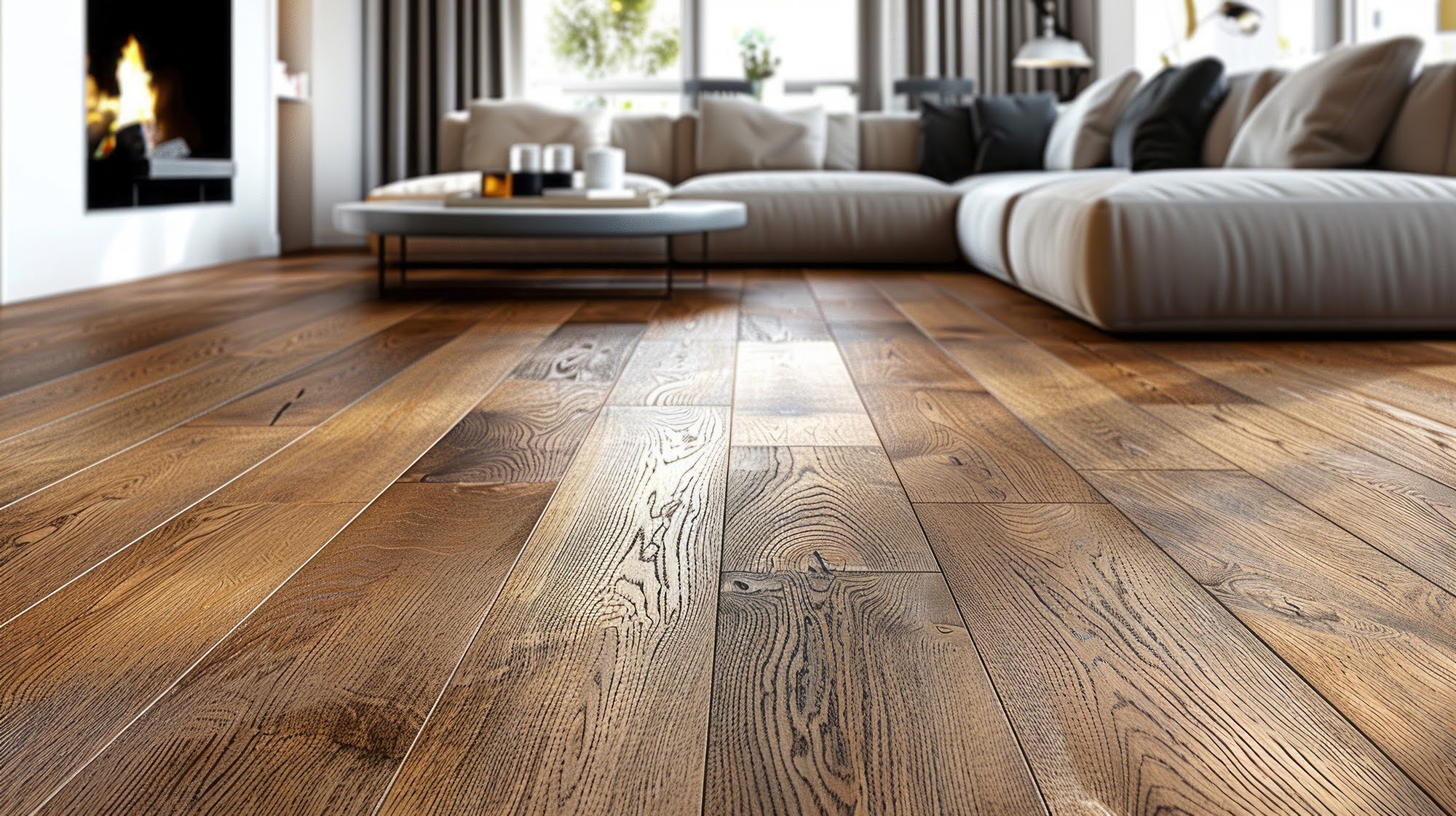
Installing new hardwood flooring is one of the most impactful upgrades a homeowner can make. It enhances the appearance of a home, adds long-term value, and creates a timeless foundation that can last for decades when properly installed. At C&R Flooring, homeowners throughout Westwood, Boston, Worcester, Cape Cod, and the surrounding New England region frequently ask what they should expect before installation day and how they can help ensure a successful project.
The reality is that great hardwood flooring performance starts long before the first plank is installed. Proper preparation, moisture management, and planning are essential, particularly in New England, where seasonal climate changes can influence how hardwood floors perform over time.
To learn more about the company and its flooring expertise, visit the C&R Flooring home page.
Why Preparation Matters Before Hardwood Installation
Many homeowners focus on selecting the right wood species, color, or plank width. While these choices are important, preparation is often the factor that determines whether a floor will perform well for years to come.
A successful hardwood installation depends on:
Proper subfloor conditions
Moisture testing
Climate control within the home
Accurate measurements and layout planning
Professional installation methods
Addressing these factors before installation helps minimize future issues such as gaps, movement, or uneven wear.
Understanding New England's Impact on Hardwood Floors
New England experiences significant seasonal changes. Winters are often cold and dry, while summers can be warm and humid. Because hardwood is a natural material, it responds to these changes by expanding and contracting.
This movement is normal, but excessive fluctuations can create problems if the floor is not properly prepared for local conditions.
Common climate-related concerns include:
Seasonal gaps between boards
Minor movement during humidity changes
Cupping caused by moisture imbalances
Changes in board dimensions over time
Professional installation takes these environmental factors into account from the very beginning.
Acclimation: One of the Most Important Steps
Before installation begins, hardwood flooring must acclimate to the environment inside the home. Acclimation allows the wood to adjust to normal indoor temperature and humidity levels.
Skipping or rushing this step can lead to:
Excessive expansion after installation
Larger seasonal gaps
Increased risk of movement or instability
The amount of acclimation required varies depending on the hardwood product, site conditions, and time of year. A professional flooring contractor evaluates these factors to determine the appropriate timeline.
Evaluating the Subfloor
The subfloor is the foundation beneath the hardwood flooring, and its condition directly affects performance.
Before installation, professionals assess:
Flatness and levelness
Structural integrity
Moisture content
Existing floor coverings
Even premium hardwood flooring can develop issues if it is installed over an unsuitable subfloor. Correcting problems before installation helps ensure long-term stability.
Choosing the Right Hardwood for Your Home
Not all hardwood flooring products perform the same way. Selecting the right material for your lifestyle and home conditions is a critical part of the process.
Factors to consider include:
Household activity levels
Presence of pets or children
Interior humidity conditions
Design goals
Room size and layout
Homeowners can explore available options by browsing hardwood flooring collections and comparing different species, finishes, and plank styles.
Preparing Your Home Before Installation Day
A little preparation can help the installation process move smoothly and protect both your home and your new floors.
Homeowners should:
Remove furniture and personal belongings from installation areas
Clear closets and adjacent spaces when applicable
Ensure pets are safely separated from work areas
Maintain normal indoor temperature and humidity levels
Discuss any access considerations with the installation team
Preparing the space ahead of time allows installers to focus on precision and craftsmanship from the moment they arrive.
Planning Around Open Floor Plans
Many homes throughout Eastern Massachusetts feature open-concept layouts where hardwood flooring extends across large areas.
In these homes, additional planning may include:
Determining plank direction
Managing transitions between spaces
Planning expansion allowances
Coordinating flooring with cabinetry and architectural features
These decisions influence both appearance and long-term performance.
Installation Methods and What to Expect
Depending on the type of hardwood and subfloor, installation methods may vary.
Professional hardwood installers evaluate:
Floor construction
Product specifications
Moisture conditions
Project requirements
The selected installation method is designed to provide maximum stability while maintaining the appearance and integrity of the finished floor.
Homeowners interested in learning more about available services can explore professional flooring services offered by C&R Flooring.
Controlling Humidity After Installation
Installation day is only one part of ensuring long-term performance. Maintaining stable indoor humidity remains important throughout the life of the floor.
Best practices include:
Avoiding extreme humidity fluctuations
Using humidification when necessary during winter
Maintaining HVAC systems properly
Cleaning spills promptly
Consistent indoor conditions help hardwood floors adapt naturally to seasonal changes.
Common Mistakes Homeowners Should Avoid
While hardwood flooring is extremely durable, a few common mistakes can affect performance.
These include:
Rushing installation schedules
Neglecting acclimation requirements
Ignoring subfloor moisture issues
Allowing significant humidity swings
Choosing products based solely on appearance
Working with experienced flooring professionals helps avoid these issues and protects the investment.
Long-Term Value of Professional Installation
A professionally installed hardwood floor delivers benefits far beyond aesthetics.
Homeowners often enjoy:
Greater long-term durability
Improved resale appeal
Reduced maintenance concerns
Better overall floor performance
When installation is completed correctly, hardwood flooring can remain a valuable and attractive feature for decades.
Expert Guidance Before Installation Makes All the Difference
Hardwood flooring installation is about more than selecting beautiful materials. It involves understanding how climate, moisture, layout, and construction details influence long-term performance.
At C&R Flooring, every project begins with careful planning, detailed evaluation, and expert craftsmanship. Whether you're renovating a historic New England home or building a modern living space, proper preparation ensures your hardwood flooring investment is built for lasting success.
If you're considering a hardwood flooring project, you can learn more about the company through the About Us page, schedule an in-home consultation through Shop At Home, or request a free estimate to discuss your project with a flooring specialist.


