

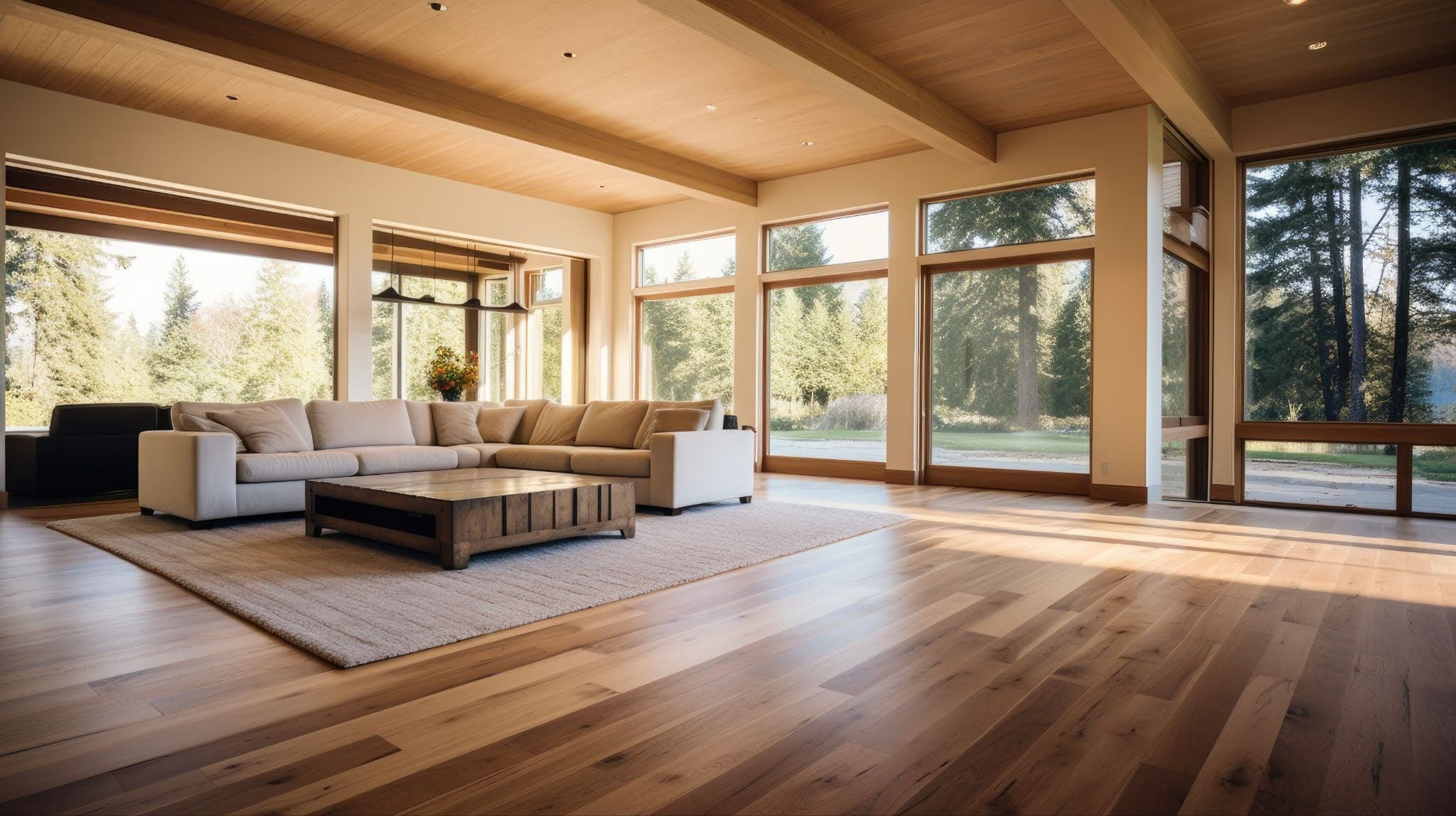
Hardwood flooring is one of the most valuable and durable investments a homeowner can make. With proper care, quality hardwood floors can last for decades while continuing to enhance a home's beauty and value. However, even the most resilient hardwood surfaces eventually show signs of wear. At C&R Flooring, one of the most common questions homeowners ask is how often hardwood floors should be refinished to maintain their appearance and performance.
The answer depends on several factors, including foot traffic, wood species, finish type, lifestyle, and New England's unique climate conditions. Understanding when refinishing is necessary can help homeowners protect their investment while avoiding unnecessary costs.
To learn more about C&R Flooring's commitment to quality craftsmanship and hardwood flooring expertise, visit the C&R Flooring home page.
What Does Hardwood Floor Refinishing Involve?
Hardwood floor refinishing is the process of removing the worn surface layer of a floor and applying a new stain and protective finish. This restores the wood's appearance while providing renewed protection against daily wear.
Refinishing can help:
Remove surface scratches
Eliminate worn finish areas
Restore color and sheen
Improve overall appearance
Extend the lifespan of the floor
Unlike replacement, refinishing preserves the existing hardwood while giving it a fresh, updated look.
There Is No Universal Refinishing Schedule
One of the biggest misconceptions about hardwood flooring is that every floor should be refinished on a fixed timeline. In reality, hardwood floors age differently depending on how they are used.
Factors that influence refinishing frequency include:
Household traffic levels
Presence of children and pets
Type of finish
Cleaning and maintenance habits
Indoor humidity conditions
Exposure to sunlight
Some floors may need attention sooner, while others can perform beautifully for many years before refinishing becomes necessary.
High-Traffic Homes Often Need More Frequent Refinishing
Homes with active lifestyles typically experience more wear than low-traffic households.
Areas that receive the most use include:
Entryways
Hallways
Kitchens
Living rooms
Stairways
In these spaces, the protective finish often wears down faster because of constant foot traffic, furniture movement, and debris carried indoors.
Regular maintenance and protective measures can help extend the time between refinishing projects.
Signs That It May Be Time to Refinish
Rather than focusing solely on age, homeowners should look for specific indicators that refinishing may be needed.
Widespread Surface Scratches
Minor scratches are normal, but when scratches become widespread and make the floor appear dull or worn, refinishing may be appropriate.
Loss of Shine
If the floor no longer responds to cleaning and has lost its original luster, the finish may be wearing thin.
Discoloration
Sunlight exposure can slowly alter the appearance of hardwood flooring. Refinishing can restore a more consistent appearance throughout the room.
Finish Wear in High-Traffic Areas
When pathways become visibly worn compared to surrounding sections of flooring, refinishing may help restore uniformity.
Water No Longer Beads on the Surface
If small spills immediately absorb into the wood rather than remaining on the finish, the protective coating may be deteriorating.
Massachusetts Climate Plays an Important Role
New England's climate creates unique challenges for hardwood flooring.
Seasonal conditions often include:
Dry winters
Humid summers
Rapid environmental transitions
These fluctuations can contribute to:
Minor gaps between boards
Seasonal movement
Changes in finish wear patterns
Proper humidity management helps hardwood floors perform more consistently and can extend the lifespan of the finish.
How Often Should Pre-Finished Hardwood Be Refinished?
Many modern hardwood products feature durable factory-applied finishes designed to resist wear.
These floors often provide:
Enhanced scratch resistance
Strong surface protection
Long-lasting performance
Even with durable finishes, homeowners should monitor wear patterns over time rather than relying on a specific calendar schedule.
Regular floor evaluations help identify early signs of finish deterioration before more significant damage occurs.
The Difference Between Recoating and Refinishing
Some homeowners assume that every worn floor requires complete refinishing, but that is not always the case.
A recoat typically involves:
Light surface preparation
Application of a new protective finish
No sanding down to bare wood
Recoating can often restore protection when wear is limited to the finish layer.
Refinishing becomes necessary when:
Damage penetrates beyond the finish
Scratches are substantial
Stain color changes are desired
Surface wear is extensive
Determining which option is appropriate requires professional evaluation.
Extending the Time Between Refinishing Projects
Homeowners can significantly extend the life of their hardwood floors through proper care.
Recommended strategies include:
Use High-Quality Entry Mats
Entry mats help reduce dirt, sand, and debris that can scratch hardwood surfaces.
Maintain Consistent Humidity
Keeping indoor humidity stable helps minimize seasonal wood movement and finish stress.
Protect Furniture
Use felt pads beneath furniture legs to reduce scratching and denting.
Clean Regularly
Routine sweeping and vacuuming help prevent abrasive particles from damaging the finish.
Address Spills Promptly
Cleaning spills quickly helps preserve both the finish and the wood beneath.
Older Homes Require Special Consideration
Many Massachusetts homes feature original hardwood flooring that has been refinished multiple times over decades.
For these floors, professional assessment is particularly important because:
Hardwood thickness varies
Previous refinishing history may be unknown
Historic flooring may require specialized techniques
Preserving original hardwood often provides exceptional long-term value and maintains the character of older New England homes.
Can Every Hardwood Floor Be Refinished?
Not necessarily.
The ability to refinish depends on:
Floor thickness
Existing condition
Type of hardwood product
Previous refinishing history
Many solid hardwood floors can be refinished multiple times. Some engineered hardwood products can also be refinished, depending on the thickness of the wear layer.
Homeowners interested in hardwood options can browse hardwood flooring collections to learn more about product construction and long-term maintenance considerations.
Why Professional Evaluation Matters
Every hardwood floor is unique. What appears to be severe damage may only require a recoat, while seemingly minor issues could indicate deeper wear.
Professional assessments evaluate:
Finish condition
Moisture levels
Wood integrity
Traffic patterns
Long-term performance expectations
This ensures refinishing is performed at the right time rather than too early or too late.
Homeowners can learn more about available restoration and maintenance solutions through professional flooring services.
Refinishing Protects Long-Term Value
Hardwood flooring is a long-term investment, and refinishing is one of the most effective ways to maximize that investment.
Benefits include:
Restored appearance
Enhanced protection
Extended floor lifespan
Improved resale appeal
Preservation of original materials
By addressing wear before major damage develops, homeowners can often avoid more extensive repairs or replacement.
Expert Guidance Helps You Make the Right Decision
There is no single answer to how often hardwood floors should be refinished. The right timing depends on the condition of the floor, the home's environment, and how the space is used.
At C&R Flooring, every refinishing project begins with a detailed evaluation to determine the most effective approach. Whether you're maintaining original hardwood in a historic Boston-area home or protecting newer flooring in a modern residence, expert guidance helps ensure your floors remain beautiful for years to come.
If you're considering hardwood floor refinishing, visit the Westwood showroom, schedule an in-home consultation through Shop At Home, or request a free estimate to discuss your flooring goals with a specialist.


